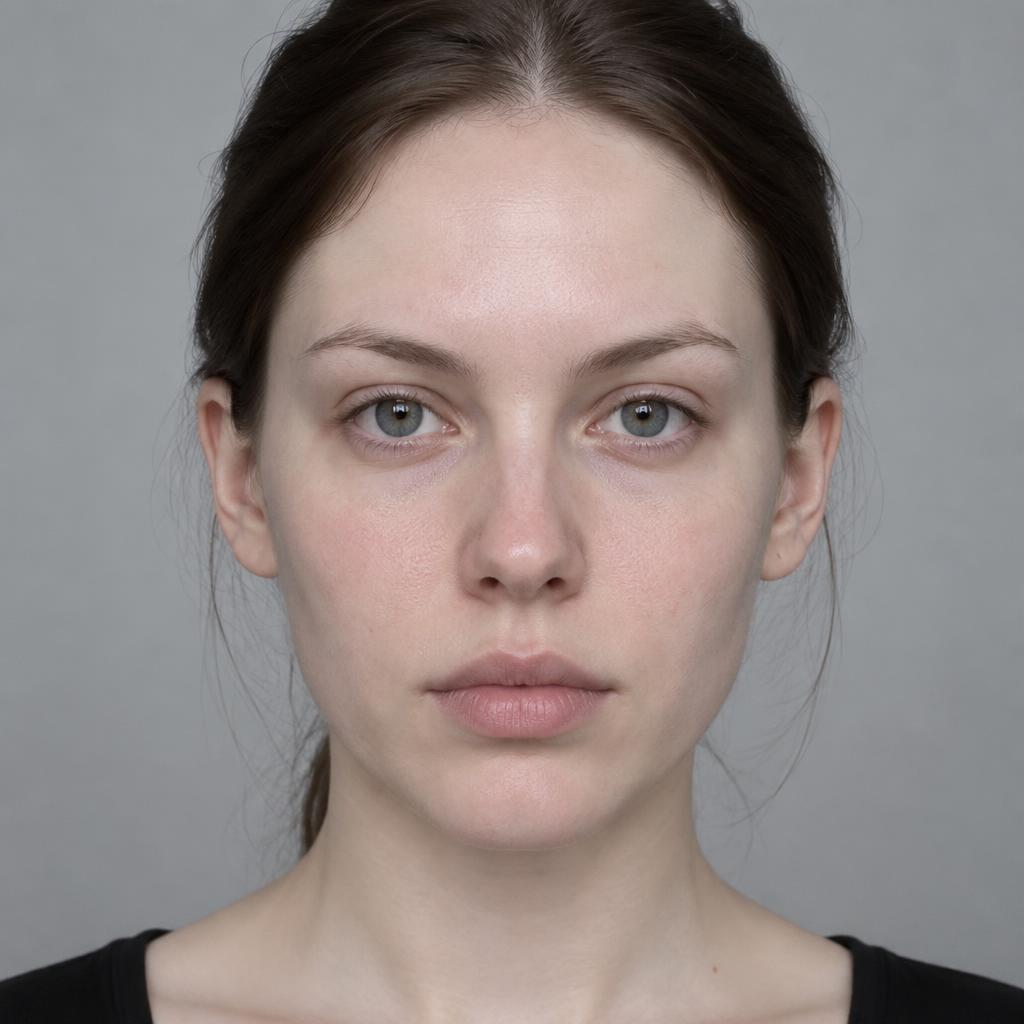
Fair — Cool
Depth & UndertoneF-01 · F-02
Porcelain to fair skin with pink-red undertones. Burns easily; foundation must not pull orange.
Cashmeare Crest Beauty — Shade Science
Every skin depth, undertone and condition the 16-shade matrix is built to serve — including the customers mass-market brands leave out. Each reference maps to its shade codes and states what the formula must do for that skin.
F-01 · F-02
Porcelain to fair skin with pink-red undertones. Burns easily; foundation must not pull orange.

L-01 · L-02
Light-medium skin with golden-yellow undertones. The most common mismatch: shades sold too pink.
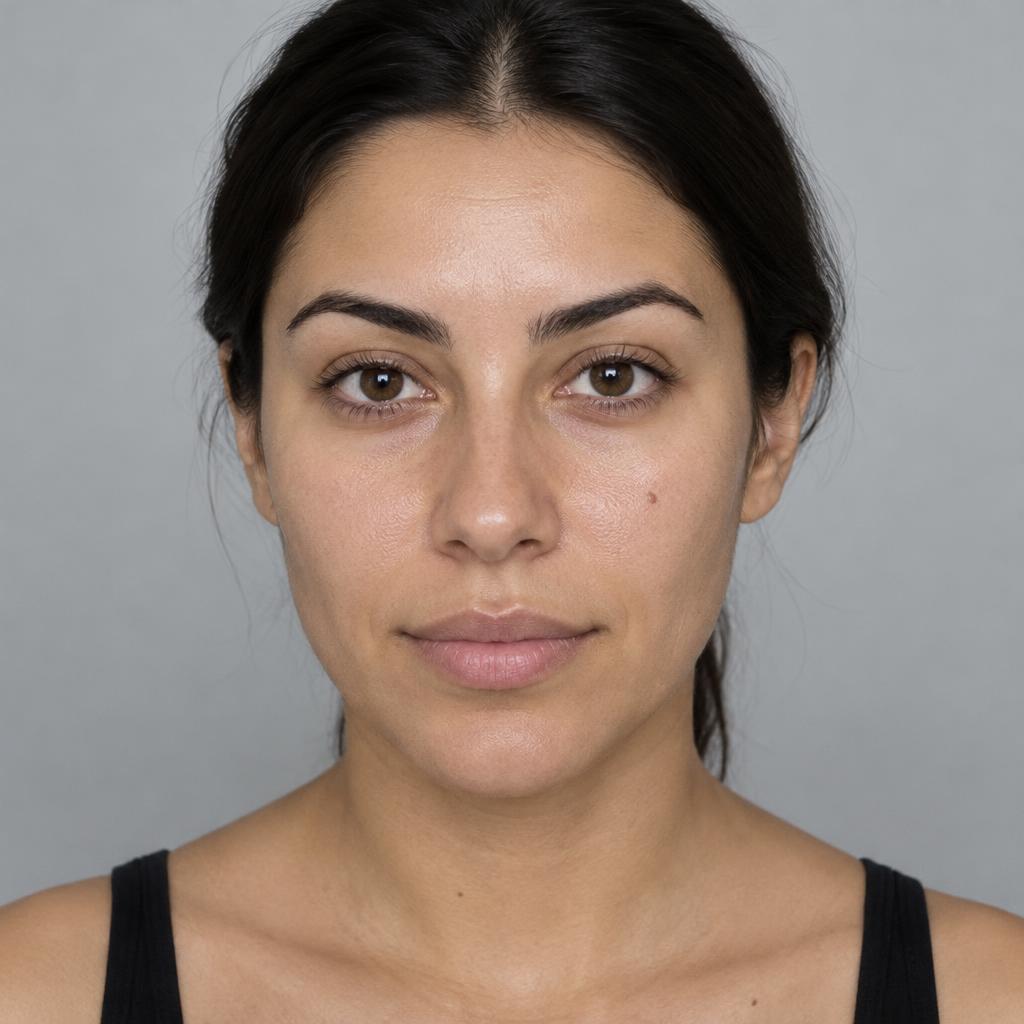
M-01 · M-02
Tan skin with green-grey olive cast. Standard warm shades turn this skin orange; olive pigments required.
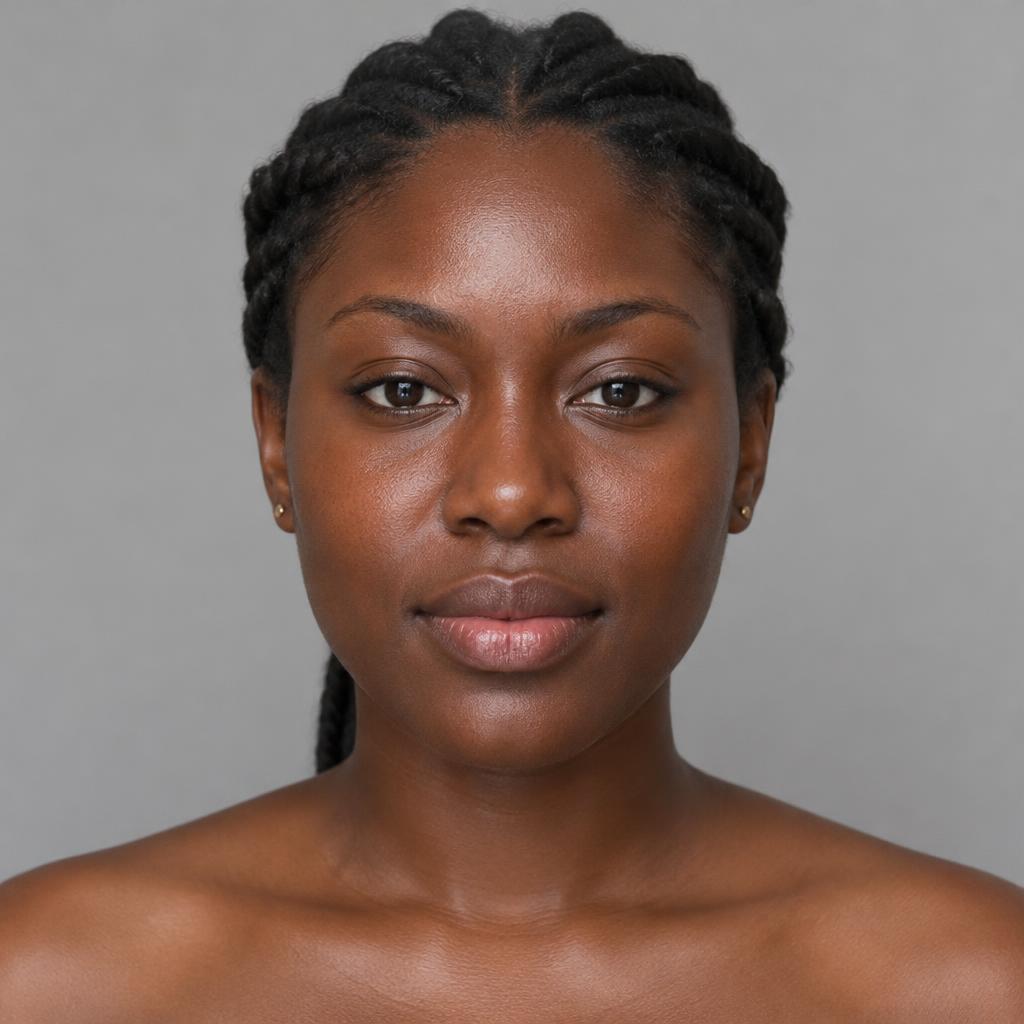
D-01 · D-02
Deep brown skin with red-golden undertones. Where mass-market ranges start going ashy.

R-01 · R-02 · R-03 · R-04
The deepest tier with blue-red undertones. Requires high-pigment load; grey cast is the failure mode.

D-03 · D-04
Aging skin with lines and age spots. Formula must be self-setting without settling into creases.
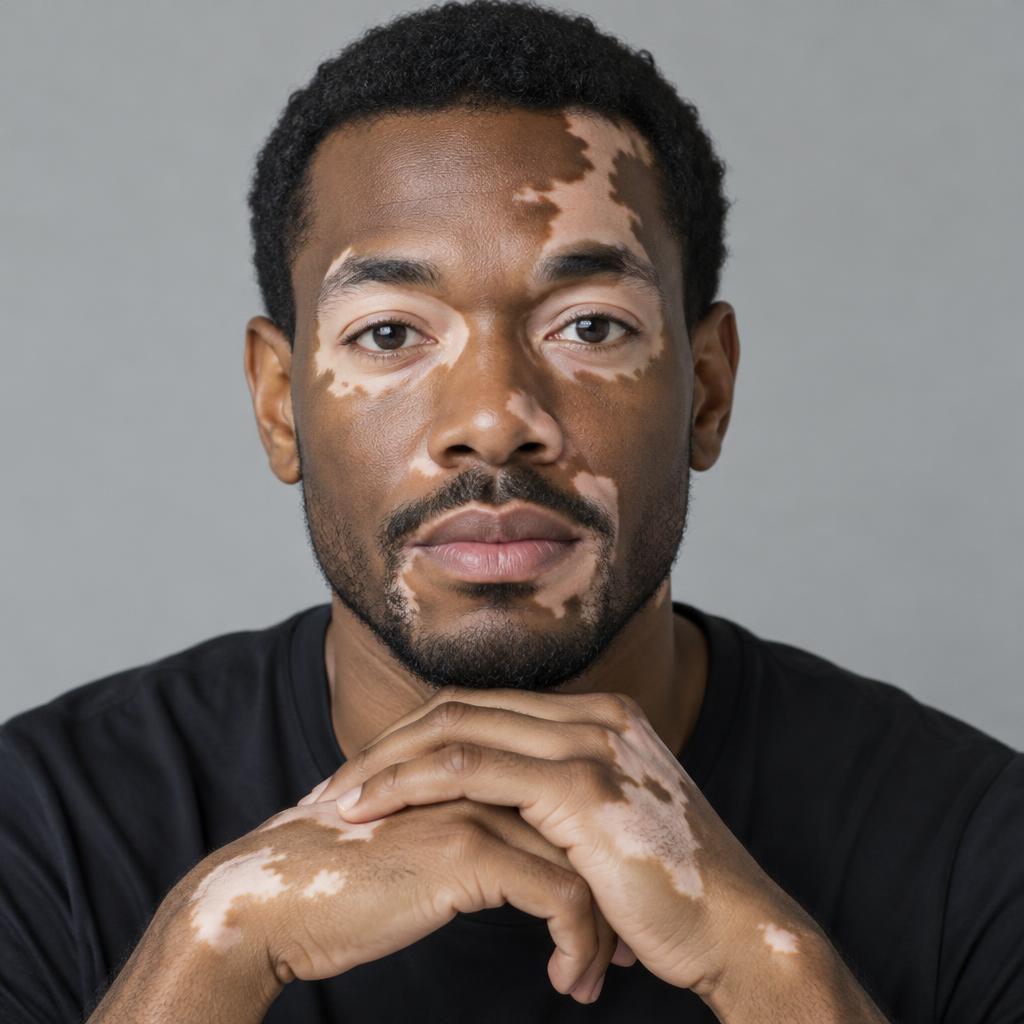
Custom blend
Depigmented patches alongside deep pigmented skin. Full-coverage transfer-proof wear is the core use case — no rub-off onto collars.

F-01 custom
Very low melanin across all ethnicities. Needs the palest cool-neutral pigments plus high SPF pairing.
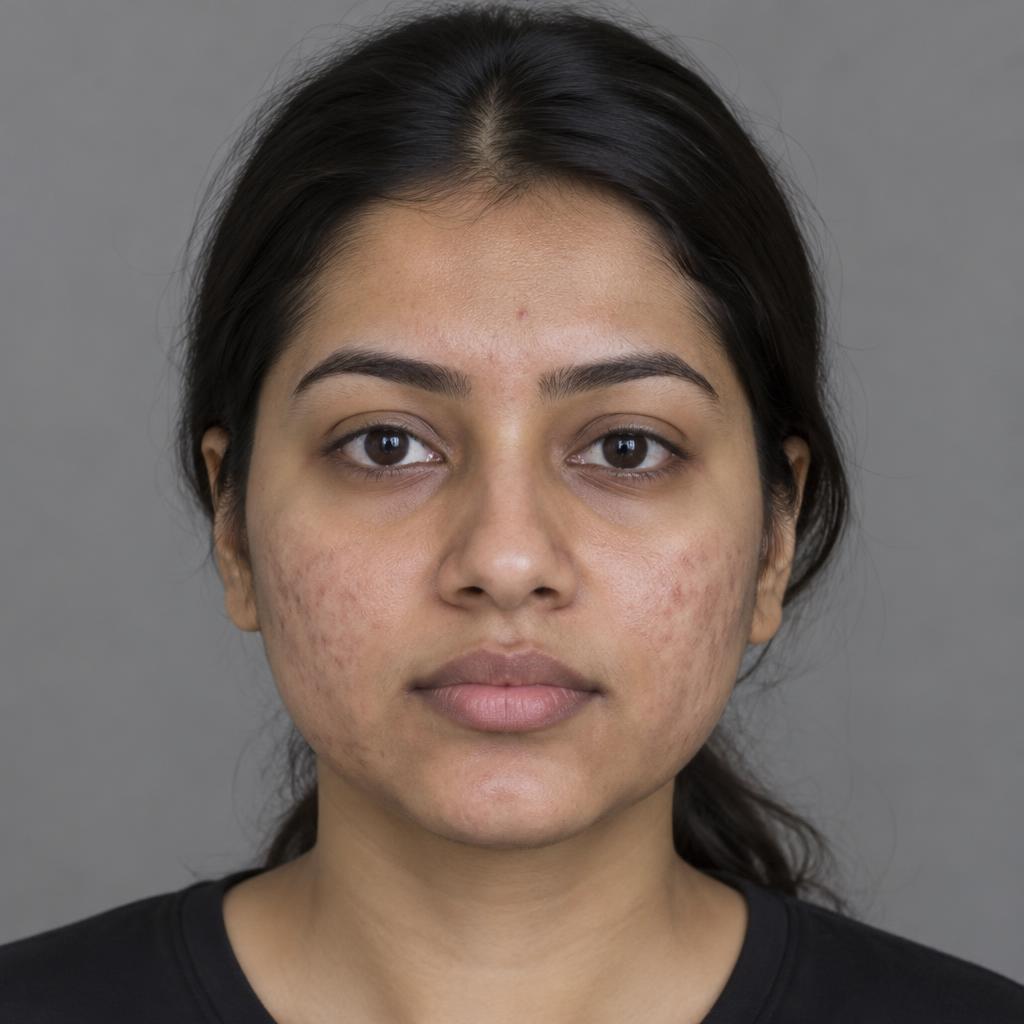
M-03 · M-04
Active breakouts and texture. Non-comedogenic, breathable film-former coverage that will not clog.
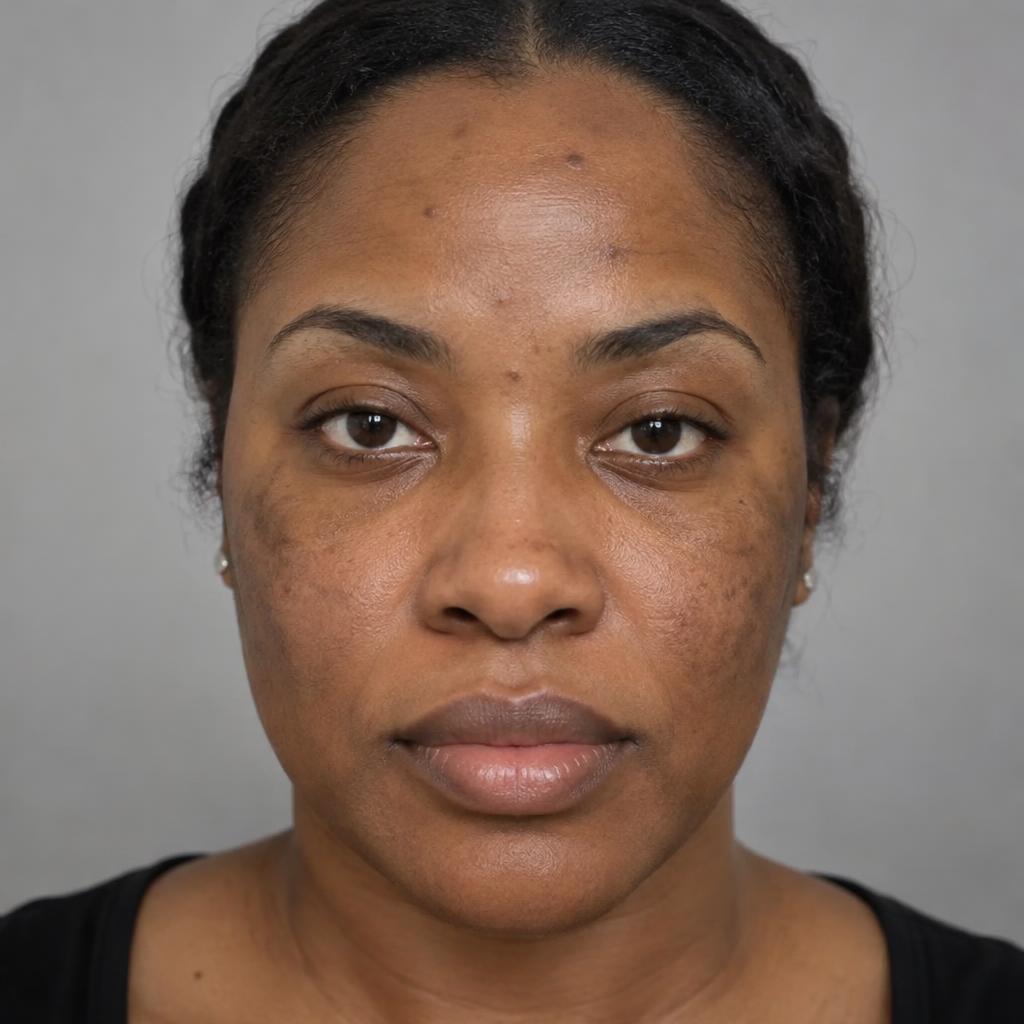
D-01 · D-02
Dark spots and uneven tone on deep skin. High-coverage even-out without a heavier base shade.
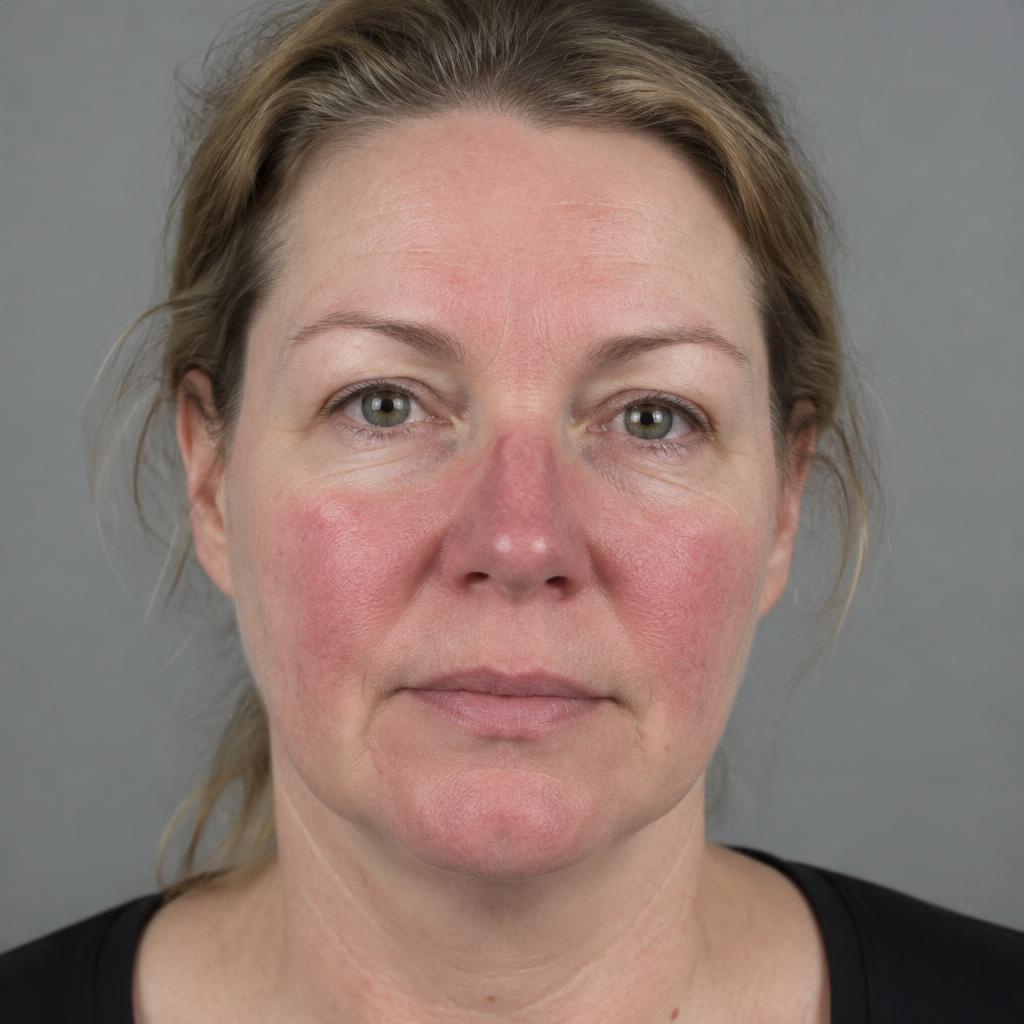
F-03 · L-03
Persistent redness across cheeks and nose. Green-neutralizing pigments, fragrance-free, talc-free.
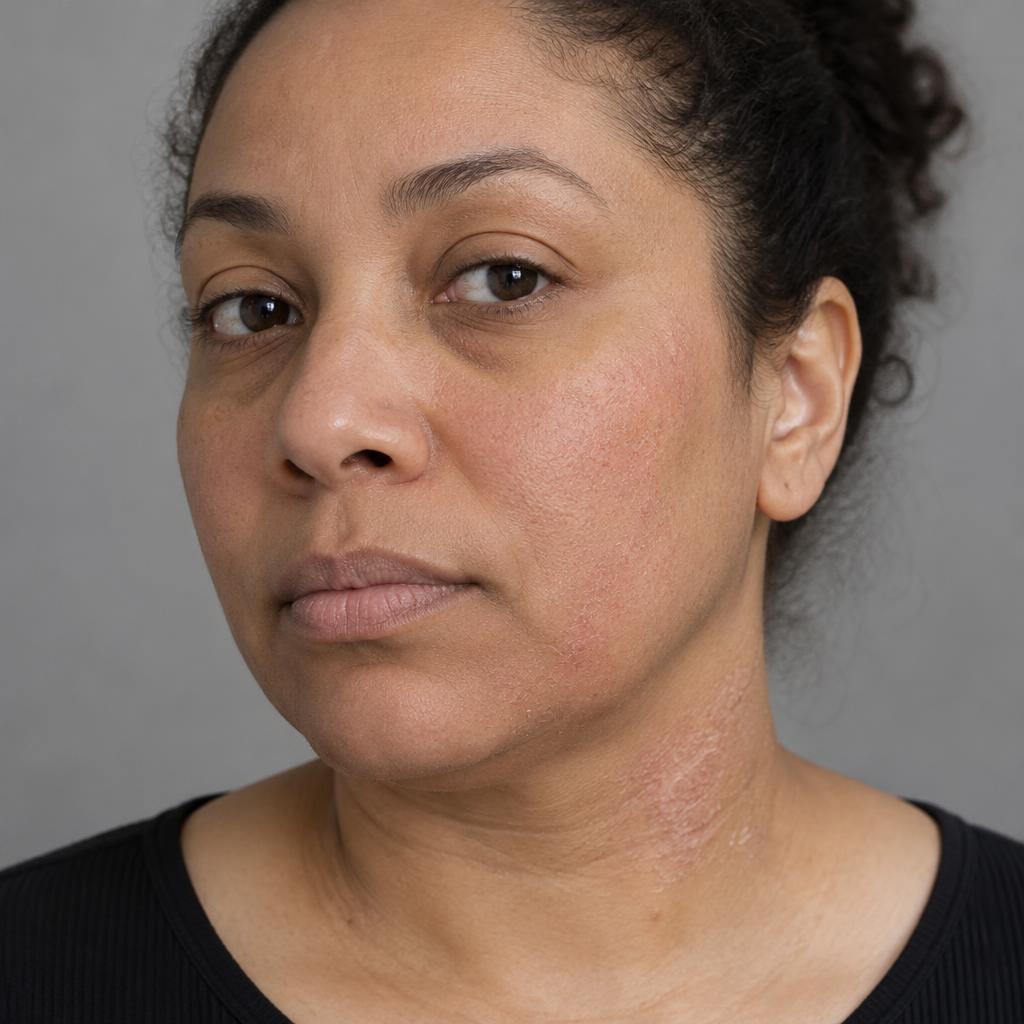
M-02 · M-04
Dry, flaky, reactive patches. Formula must be fragrance-free with a flexible non-cracking film.
Reference portraits are AI-generated dermatology-style images used for shade-range planning. Real customer scans run through the AI Shade Matcher on the beauty proposal page.